

Your BMI & Weight Loss Plan
Professional-grade calculator · Mifflin-St Jeor equations · Metabolic insights · Visual projections
Your results will appear here
Fill in your details above and click Calculate Results.
Linear projection · Actual results may vary
Personalized Insight
Tips for Success
- Track meals with a food diary app
- Aim for 7–9 hours of quality sleep
- Drink 8+ glasses of water daily
- Prioritize protein at every meal
For educational purposes only. Always consult a healthcare professional before starting any weight loss program.

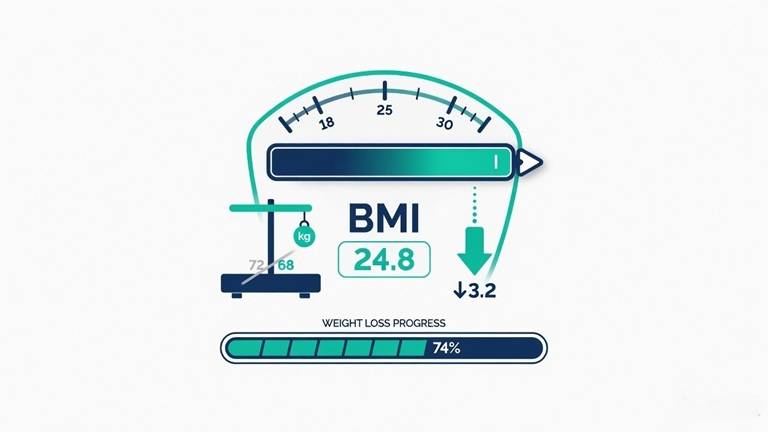
BMI Weight Loss Calculator: Lose Weight Smarter
If you’re trying to lose weight in 2026, you’ve probably searched for ways to track your progress accurately. One of the most effective and science-backed tools available today is the BMI Weight Loss Calculator.
Whether you’re a beginner just starting your fitness journey, someone who’s tried multiple diets, or simply want to understand where you stand health-wise, this tool can give you clear, actionable insights. You’ll learn exactly what a BMI Weight Loss Calculator is, how it works, the formulas behind it, and how to use it step-by-step with real examples tailored for American users.
What is a BMI Weight Loss Calculator?
A BMI Weight Loss Calculator is an advanced version of the standard Body Mass Index (BMI) tool. While a regular BMI calculator only tells you your current category (underweight, normal, overweight, or obese), a BMI Weight Loss Calculator goes much further.
It helps you:
- Calculate your current BMI
- Determine how much weight you need to lose to reach a healthy range
- Estimate realistic timeframes to reach your goal
- Understand your daily calorie needs for safe weight loss
- Visualize your progress with charts and projections
In simple terms, it combines BMI calculation with weight loss planning. This makes it especially useful for people in the United States, where obesity rates remain high (around 37–40% of adults).
Why BMI Matters for Weight Loss in America
According to recent data, more than 2 in 5 American adults have obesity. BMI remains one of the most widely used screening tools by doctors and health organizations like the CDC because it’s simple, fast, and correlates strongly with health risks.
However, using BMI alone isn’t enough for weight loss. That’s why a dedicated BMI Weight Loss Calculator is more powerful — it doesn’t just diagnose; it helps you create a plan.
Key benefits include:
- Setting realistic goals instead of guessing
- Understanding how much weight you actually need to lose
- Getting estimates on how long it will take
- Learning your approximate daily calorie target
How Does a BMI Weight Loss Calculator Work?
A good BMI Weight Loss Calculator uses several data points:
| Input | Why It Matters | Used For |
|---|---|---|
| Age | Affects metabolism | BMR calculation |
| Gender | Men and women have different BMR | BMR & ideal weight range |
| Height (ft/in) | Core measurement for BMI | BMI + Ideal weight |
| Current Weight (lbs) | Starting point | BMI + Weight to lose |
| Goal Weight (lbs) | Your target | Weight to lose + Timeline |
| Activity Level | Determines calorie burn | TDEE & Daily calorie target |
| Weekly Loss Rate | How fast you want to lose weight | Time estimate + Calorie deficit |
It then calculates:
- Current BMI
- BMI Category
- Healthy weight range
- Total weight to lose
- Estimated weeks/months to reach goal
- Basal Metabolic Rate (BMR)
- Total Daily Energy Expenditure (TDEE)
- Recommended daily calorie intake
BMI Formula Explained (For American Users)
The formula most calculators use in the United States is the Imperial BMI formula:
BMI = (Weight in pounds × 703) ÷ (Height in inches)²
Example: A person who is 5 feet 10 inches (70 inches) and weighs 200 lbs:
- BMI = (200 × 703) ÷ (70 × 70)
- BMI = 140,600 ÷ 4,900
- BMI = 28.7 (Overweight category)
BMI Categories (CDC Standards):
| BMI Range | Category | Health Risk |
|---|---|---|
| Below 18.5 | Underweight | Low |
| 18.5 – 24.9 | Normal / Healthy | Lowest |
| 25.0 – 29.9 | Overweight | Increased |
| 30.0 and above | Obese | High |
How to Use a BMI Weight Loss Calculator
Here’s exactly how to use one effectively:
Step 1: Gather Your Information
- Measure your height (without shoes)
- Weigh yourself (ideally in the morning, after using the bathroom)
- Know your age and gender
- Decide on a realistic goal weight
Step 2: Enter Your Details Input your age, gender, height (in feet and inches), current weight, and goal weight.
Step 3: Select Your Activity Level Be honest here:
- Sedentary (desk job, little exercise)
- Lightly Active
- Moderately Active (most common)
- Very Active
- Extra Active
Step 4: Choose Your Weekly Weight Loss Rate
- 0.5 lb/week → Very safe and sustainable
- 1 lb/week → Recommended for most people
- 1.5–2 lbs/week → Faster but requires more discipline
Step 5: Click Calculate Review your results:
- Current BMI and category
- How much weight you need to lose
- Estimated time to reach your goal
- Daily calorie target for weight loss
Step 6: Take Action Use the calorie target and timeline to create a realistic plan combining diet and exercise.
Real-Life Example: How Mike from Ohio Used It
Mike is a 42-year-old man from Ohio. He is 5’10” tall and currently weighs 215 lbs. His goal is to reach 180 lbs. Using a BMI Weight Loss Calculator:
- Current BMI: 30.9 (Obese)
- Goal BMI: 25.8 (Overweight, moving toward normal)
- Weight to Lose: 35 lbs
- Recommended Rate: 1 lb per week
- Estimated Time: 35 weeks (~8 months)
- Daily Calorie Target: ~2,100 kcal (for gradual fat loss)
Mike now has a clear roadmap instead of guessing. He can track his progress weekly and adjust if needed.
Benefits of Using a BMI Weight Loss Calculator
Using this tool offers several advantages:
- Clarity — Removes confusion about how much weight to lose
- Realistic Expectations — Prevents crash dieting
- Motivation — Seeing projected timelines keeps you accountable
- Personalization — Accounts for your age, gender, and activity level
- Better Decision Making — Helps you choose between aggressive vs sustainable fat loss
Important Limitations to Know
While extremely useful, a BMI Weight Loss Calculator has some limitations:
- It doesn’t distinguish between muscle and fat
- Very muscular people may appear “overweight” even if they’re lean
- It doesn’t account for body fat distribution (visceral fat)
- Results are estimates — individual results vary
Important: This tool is for educational purposes. Always consult your doctor before starting any weight loss program, especially if you have existing health conditions.
Frequently Asked Questions (FAQ)
Q.1. What is the best weekly weight loss rate?
Most health experts recommend 1–2 pounds per week as safe and sustainable for long-term success.
Q.2. Can I use BMI if I lift weights?
BMI is less accurate for muscular individuals. In such cases, body fat percentage measurements are better.
Q.3. How accurate is the calorie target?
It’s an estimate based on the Mifflin-St Jeor equation. Track your actual weight loss for 2–3 weeks and adjust calories as needed.
Q.4. Should I aim for the middle of the healthy BMI range?
Not necessarily. Many people feel and perform best slightly above the middle (BMI 22–24).
Q.5. Is BMI different for men and women?
The BMI formula is the same, but ideal weight ranges and BMR calculations differ slightly between genders.
Q.6. How often should I recalculate?
Recalculate every 4–6 weeks or when your weight changes significantly.
Q.7. Can teenagers use this calculator?
BMI interpretation is different for people under 20. Use pediatric BMI calculators instead.
Q.8. What if my goal weight puts me in the underweight category?
This is not recommended. Always aim for the healthy BMI range (18.5–24.9).
A BMI Weight Loss Calculator is one of the smartest tools you can use if you’re serious about losing weight in a healthy, measurable way. It takes the guesswork out of the process and gives you a clear picture of where you are and where you need to go.
Whether you’re just starting or have been struggling for years, having data-backed insights makes a massive difference.
You can explore Similar Calculator like this Body Fat Calculator.